
Architecture
first.
The model is not the starting point.
The decision is.
Explainers on RAG, AI agents and ML system design. Each one is built around the decision you actually have to make, and the cost of making it wrong.
WHAT YOU'LL LEARN
Three systems. One question each.
RAG
Retrieval that holds up
- question
- Why does my RAG answer wrong when the doc is right there?
- covers
- top-k · eval metrics · hallucinations · RAG vs MCP
AGENTS
Agents that don't flail
- question
- When should a model call a tool, and what breaks when it does?
- covers
- tool calls · multi-agent patterns · harness engineering
ML DECISIONS
Metrics that cost money
- question
- Is the more accurate model actually the better one?
- covers
- accuracy vs cost · thresholds · RAG vs fine-tuning
START HERE
Watch one. Steal the diagram.
DEEP DIVES 14
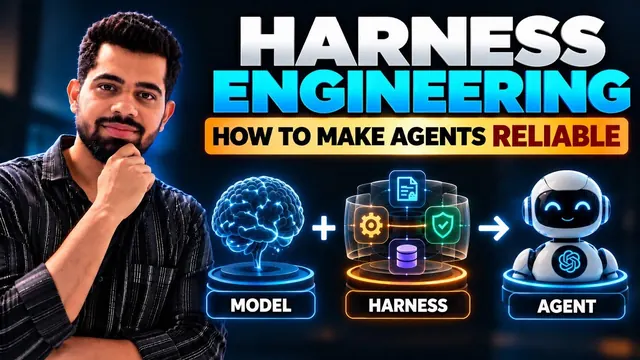 DEEP DIVE · 14 MIN
Harness engineering: the architecture behind reliable AI agents
The scaffolding around the model that makes an agent dependable.
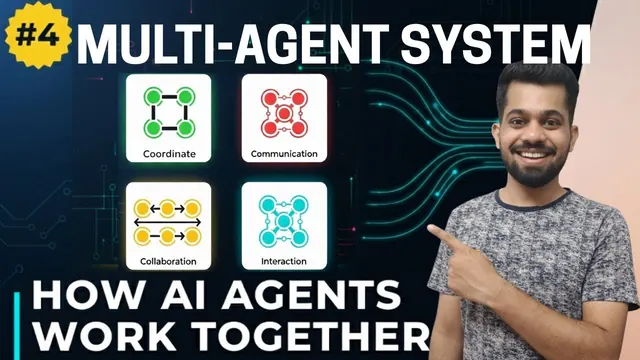 DEEP DIVE · 21 MIN
Multi-agent systems: 4 orchestration patterns
Four ways to coordinate agents, and when each one fits.
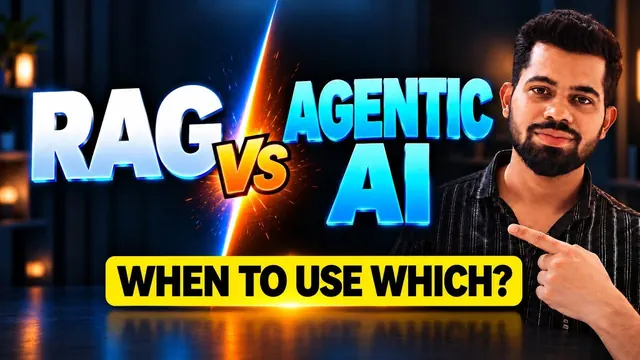 DEEP DIVE · 6 MIN
AI agents vs RAG vs multi-agent systems: which one should you use?
Three architectures, one question: which one your problem actually needs.
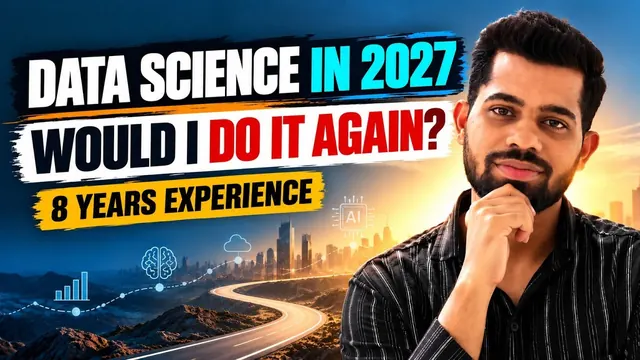 DEEP DIVE · 7 MIN
Would I still choose data science in 2027? 8 years as a data scientist
An honest look back after eight years in the field.
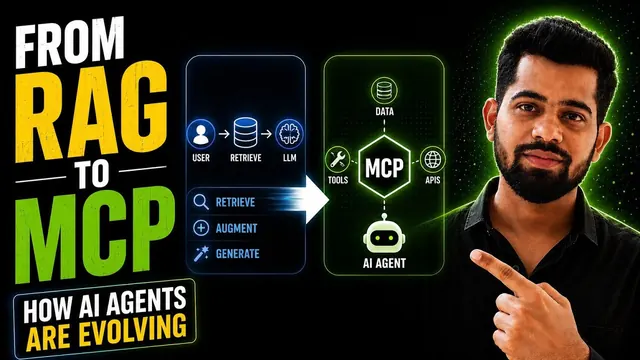 DEEP DIVE · 10 MIN
Why RAG isn't enough anymore (MCP explained)
Where retrieval stops, where tools take over, and what MCP adds.
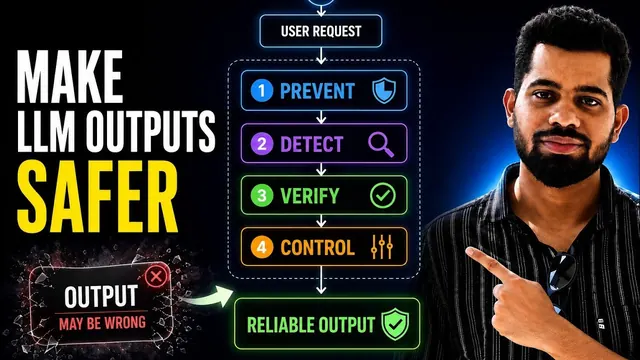 DEEP DIVE · 9 MIN
How to build AI systems that reduce hallucinations (it's not the LLM)
Hallucinations are a system problem. Fix the system, not the model.
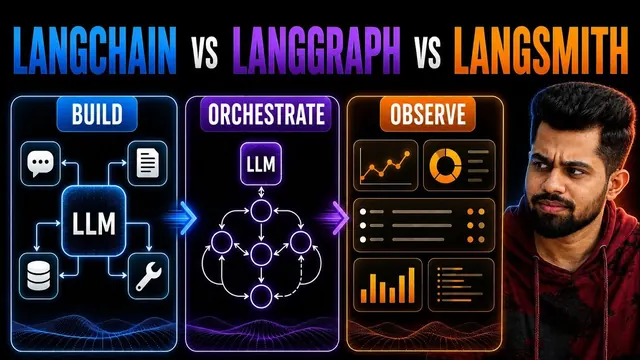 DEEP DIVE · 8 MIN
LangChain vs LangGraph vs LangSmith: which one should you use?
Three tools, three jobs. Which one your project actually needs.
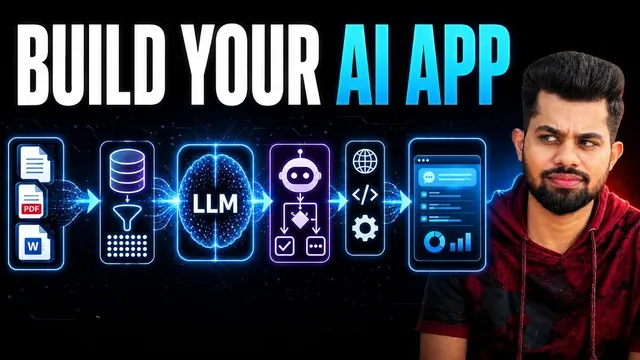 DEEP DIVE · 11 MIN
How to build an AI app with LangChain: RAG and agents explained
A working AI app end to end, with retrieval and agents in one stack.
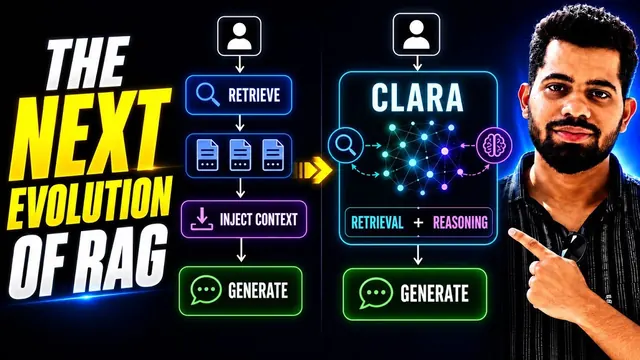 DEEP DIVE · 9 MIN
Why RAG fails in production, and can CLARA fix it?
What breaks once RAG meets real users and real documents.
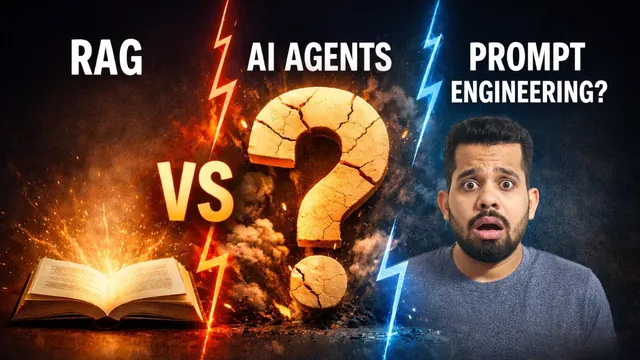 DEEP DIVE · 13 MIN
RAG vs AI agents vs prompt engineering
A decision framework for when to prompt, when to retrieve and when to build an agent.
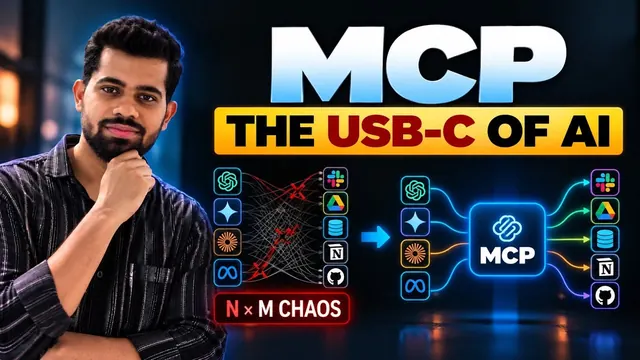 DEEP DIVE · 6 MIN
Model Context Protocol: the missing layer between AI and tools
The protocol that connects models to tools, explained.
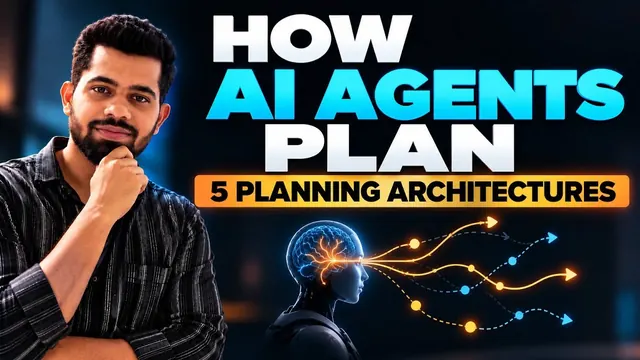 DEEP DIVE · 20 MIN
How AI agents decide what to do next
Inside the loop that picks an agent's next action.
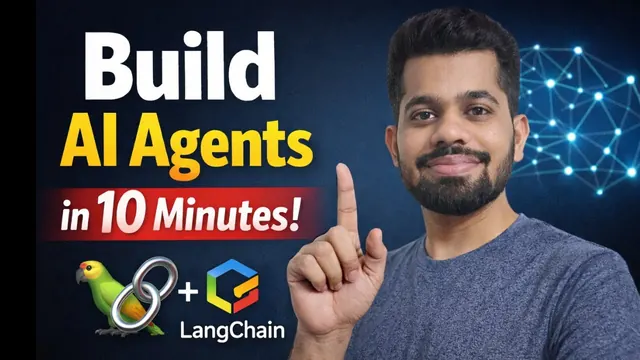 DEEP DIVE · 16 MIN
How to build an AI agent with LangChain
A tool-using agent, built step by step.
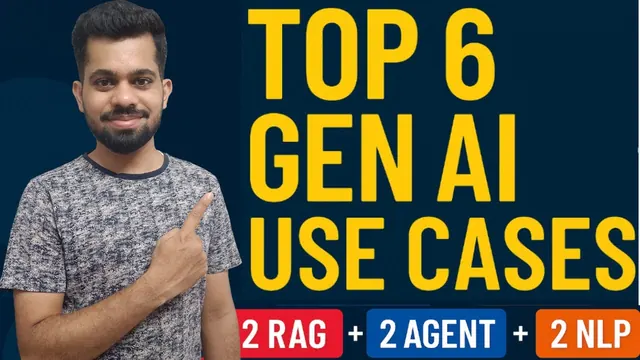 DEEP DIVE · 36 MIN
6 Gen AI projects that prove you're ready for an AI job
Portfolio projects that show you can build with Gen AI, not just talk about it.
SWIPE FOR MORE →
60-SECOND EXPLAINERS 06
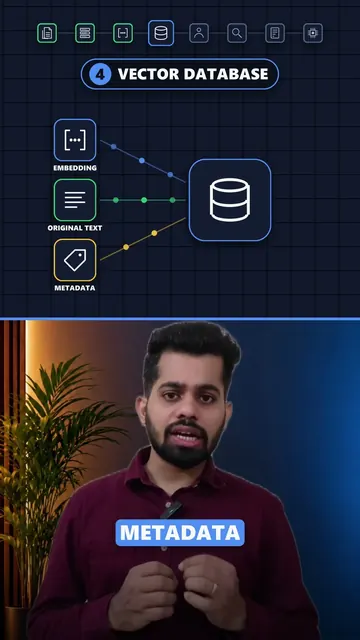 SHORT · 1:30
How RAG works: the full pipeline in 8 steps
 SHORT · 0:53
How AI agents work: the pipeline in 6 steps
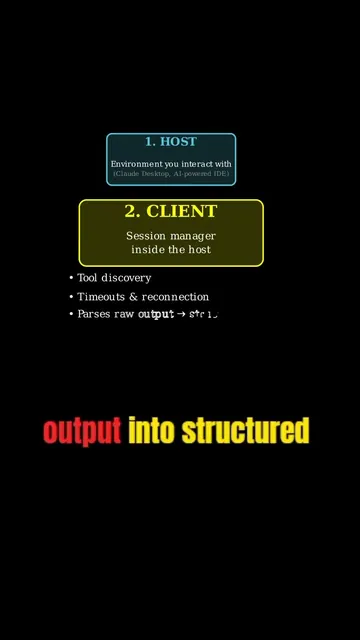 SHORT · 0:49
Where MCP actually runs
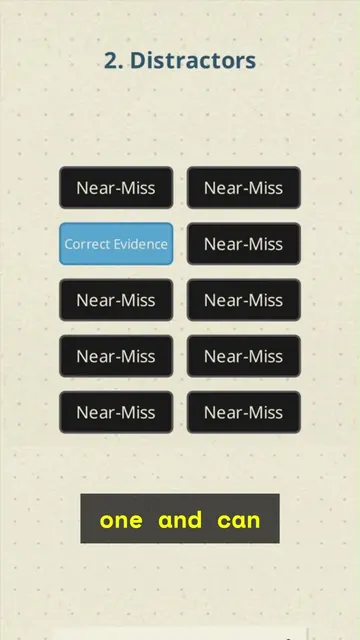 SHORT · 0:59
RAG found the right doc. So why is the answer wrong?
 SHORT · 0:56
Your RAG top-k is tuned wrong
 SHORT · 0:25
Stop fine-tuning to fix wrong answers
SWIPE FOR MORE →
RECEIPTS
If a number is on screen, you can rerun it.
THRESHOLD 0.60
99.76%
ACCURACY
$10,515
BUSINESS COST
THRESHOLD 0.40
98.26%
ACCURACY
$2,355
BUSINESS COST
Cost model: false positive $5, false negative $500. The dataset, code and validation report are all on GitHub.
Browse the code on GitHubABOUT
Behind the channel

I'm Sumit Kumar Dash. I make SKD Neuron for engineers, career switchers and graduates who want to understand AI systems well enough to make decisions about them, and to explain those decisions in an interview or a design review.
Most tutorials start with a library. Mine start with a choice: retrieve or fine-tune, more context or better context, a higher accuracy number or a lower bill. Then I show what the choice costs.
- CAREER 8 years as a data scientist
- FORMAT 60-second Shorts + deep dives
- STYLE Diagrams over code, numbers over adjectives
- RULE Show the numbers, publish the code
FOLLOW
One diagram at a time.
New explainers on YouTube and Instagram.
OR GET IN TOUCH